The technology for producing high-quality steel with the necessary physical and mechanical properties and functional characteristics of metal products from it involves the use of various ferroalloys, including ferrosilicon, an alloy of iron and silicon. This alloy is produced in electric arc furnaces from a mixture of quartzite, coke and steel shavings. It is possible to reduce the cost of ferrosilicon by reducing the cost of raw materials. For this purpose, at the South Kazakhstan University named after M.Auezov and the National Center for Integrated Processing of Mineral Raw Materials of the Republic of Kazakhstan conducted tests to obtain ferrosilicon from various substandard, difficult-to-enrich polymetallic raw materials while investigating the possibility of replacing quartzite with cheaper raw materials.
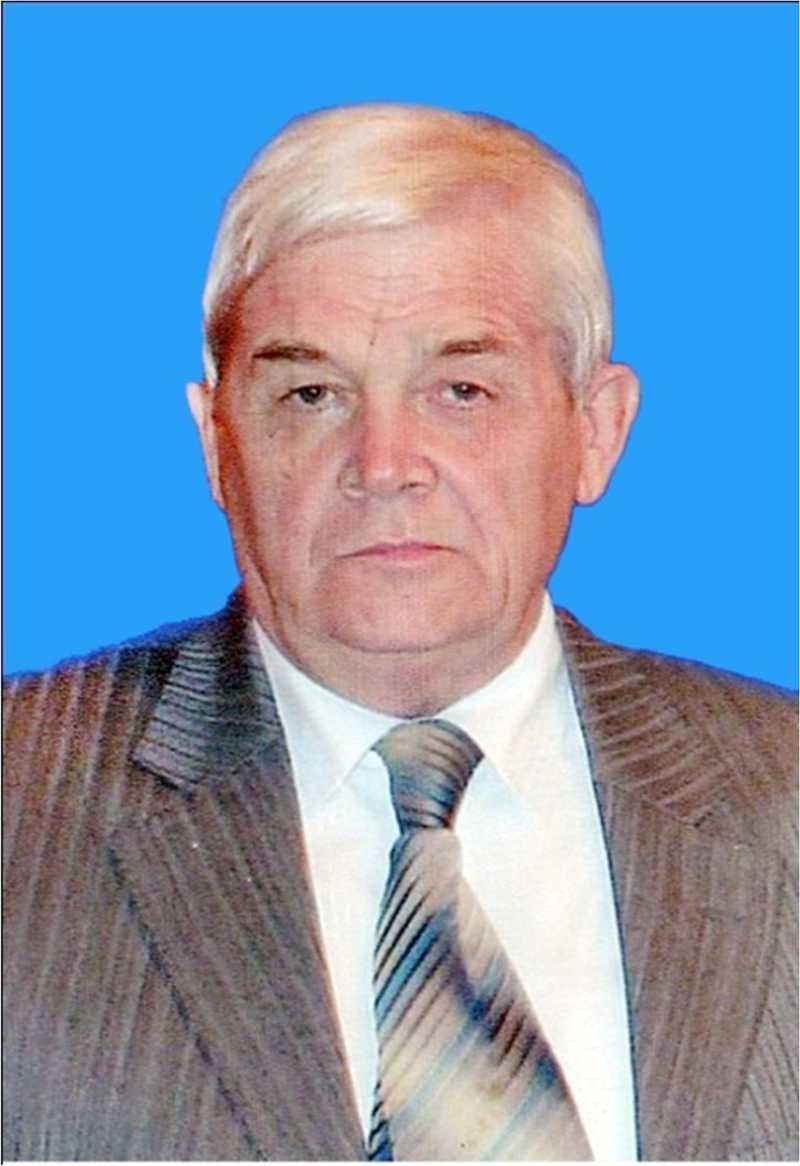
Shevko Viktor Mikhailovich
According to forecast estimates, at least one billion tons of oxidized hard-to-enrich lead-zinc and copper siliceous ores are deposited on the territory of Kazakhstan, in particular, the deposits of Shalkiya, Zhairem, Shaimerden, Smena, Sayak, Moldybai, Aktogay, Bozshakol, Nurkazgan, Shatyrkol, Zhetymshoky, Kounrad, Taskara, Zhezkazgan, Almaly, etc. which may become a potential raw material source for the production of siliceous alloys in the future. Due to imperfections, the known technologies of their processing are characterized by a low level of integrated use of raw materials (for example, for zinc ores no more than 35-40%) with the formation of high-tonnage waste (slags, cakes, clinkers, etc.), of which, according to the Institute of Economics, 23 million tons were accumulated in Kazakhstan in 2015.
The state of raw material processing can be fundamentally changed if high-speed, resource-efficient and energy-saving technologies are used, based on the new processing ideology of a single technological raw material, with the implementation of processes for the joint simultaneous production of several branded products in one furnace unit.
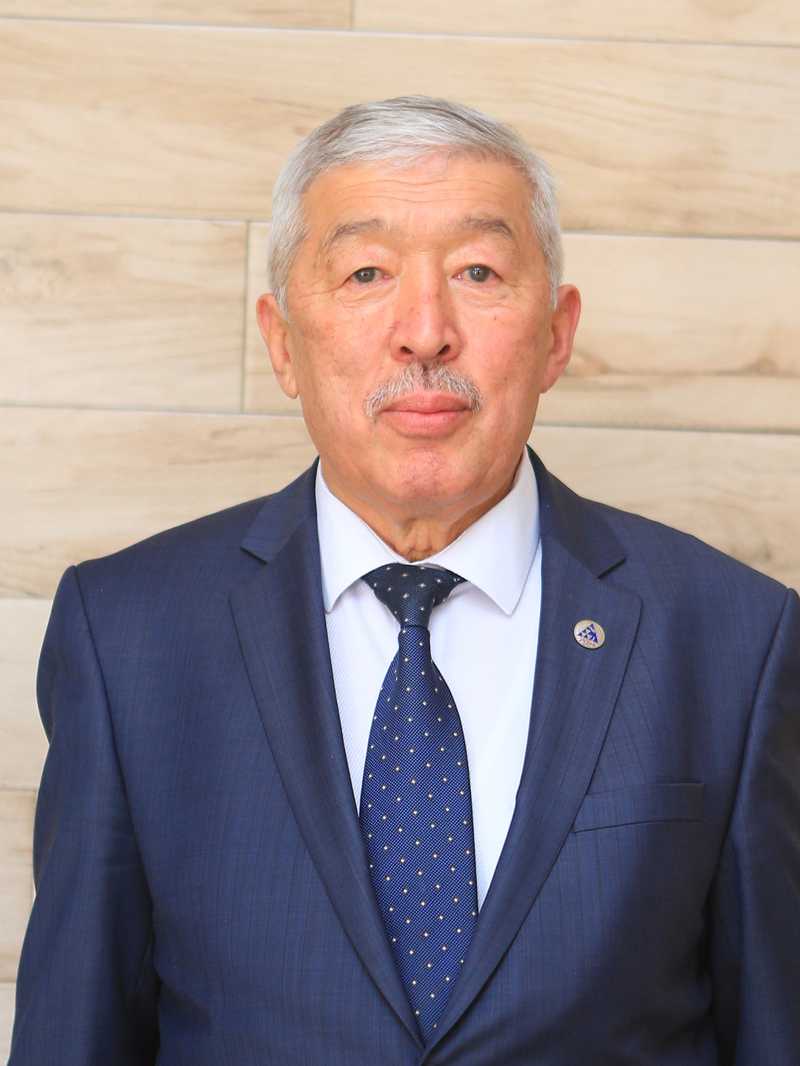
Dosmurat Kyzylbievich Aitkulov
Such technologies for processing oxide-hard-to-enrich polymetallic raw materials are currently being created by scientists from the M.Auezov Law School of the Ministry of Education and Science of the Republic of Kazakhstan and NC KPMS of the Ministry of Education and Science of the Republic of Kazakhstan. In particular, the new technology developed makes it possible to obtain from the zinc ores of the Shalkiya, Zhairem, Shaimerden and Achisai deposits not only branded products (ferrosilicon grades FS20, FS25, FS45, calcium carbide from the second to the highest grade, with a volume of up to 300 dm3/kg and distillates containing 40-60% zinc), but also, as it turned out significantly (1.5 times) increase the rate of ferrosilicon formation.
To explain the mechanism of acceleration of ferrosilicon formation during electric melting of polymetallic ores, a special series of studies was conducted using highly informative research and analysis methods.
In particular, the method of computer thermodynamic modeling developed by the Finnish metallurgical company Outokumpu, based on the Gibbs energy minimum principle, based on the ideology of the SGTE consortium (Scientific Group Thermodata Europe), which includes scientific centers in Germany, Canada, France, Sweden, Great Britain and the USA. The mathematical apparatus of this complex made it possible to select the most probable of them from hundreds of possible reactions in the system and specify the types of products formed. At the same time, it was possible to detect substances with very low concentrations (up to 10-33%).Using the method of complete thermodynamic analysis in combination with electron microscopy, X-ray phase analysis, and atomic emission spectroscopy, we found that the combined formation of ferrosilicon and calcium carbide in an electric furnace from ore and man-made raw materials occurs through a series of sequential, parallel, and conjugate reactions.
Moreover, the reason for the observed phenomenon of accelerating the formation of ferrosilicon is related to the new trajectory of its formation. The novelty of this trajectory lies in the fact that the calcium carbide formed in the furnace, having a high reactivity, accelerates the formation of iron silicides– the basis of the ferroalloy.
Based on the found acceleration of ferrosilicon formation, theoretical and experimental explanation of this phenomenon, the International Academy of Discovery Authors (after careful examination) registered a scientific discovery in the field of physicochemistry "The phenomenon of accelerated formation of iron silicides during the interaction of silicon (IV) oxide with carbon and iron" (Diploma No. 522), established in the NC KPMS RK and at the M.Auezov Law School. The scientists who are the authors of the discovery (Doctor of Technical Sciences, Academician of the National Academy of Sciences of the Republic of Kazakhstan A.A. Zharmenov and Doctor of Technical Sciences, Professor Shevko V.M.), were awarded diplomas and gold medals by Peter Kapitsa, and Doctor of Technical Sciences, Professor Aitkulov D.K., Doctor of Technical Sciences Terlikbayeva A.Zh. were awarded diplomas and silver medals by Peter Kapitsa.
The scientific significance of the discovery lies in expanding the theoretical understanding of ferrosilicon formation, and the practical one is the possibility of intensifying the process of producing siliceous ferroalloys by almost 1.5 times, reducing energy consumption by one third and increasing the level of complex processing of zinc oxide ores several times.The scientific discovery also makes it possible to increase the active reserves of production of siliceous ferroalloys and calcium carbide by involving various natural raw materials in industrial production, for example, multibillion-dollar natural reserves of basalt, diabase, amphibolite, gabbro, wollastonite, loess, marl, siliceous-calcium copper ores (Sayak, Maldybai, Kounrad, and others others), as well as various man-made raw materials (blast furnace and phosphorous slags, phosphogypsum). In addition, it makes it possible to create a new slag-free technology for the electrothermal production of yellow phosphorus from phosphorites, which has no analogues in the world. This method will significantly increase the level of complex processing of phosphorites from Karatau, Aktyubinsk and other deposits.
The scientific discovery has international significance due to the fact that siliceous ferroalloys are smelted at numerous metallurgical enterprises in Europe, America, Asia, Africa and Australia.
Viktor SHEVKO,
Head of the Metallurgy Department
M.Auezov South Kazakhstan University,
Doctor of Technical Sciences, Professor
Dosmurat AITKULOV,
Director of Scientific Research
NC KPMS RK,
Doctor of Technical Sciences, Professor
Source: bilimdinews.kz
Other news
ПРОТОКОЛ заседания конкурсной комиссии
День металлурга в Национальном Центре по комплексной переработке минерального сырья Республики Казахстан
Materials on the submission for the assignment of the academic title of associate professor: Alimzhanova A.M.
Казахстанские ученые представили разработки в области полупроводниковых материалов на международной конференции RCCT-2026